<div class="bd">
<div class="content" style="height:auto;">
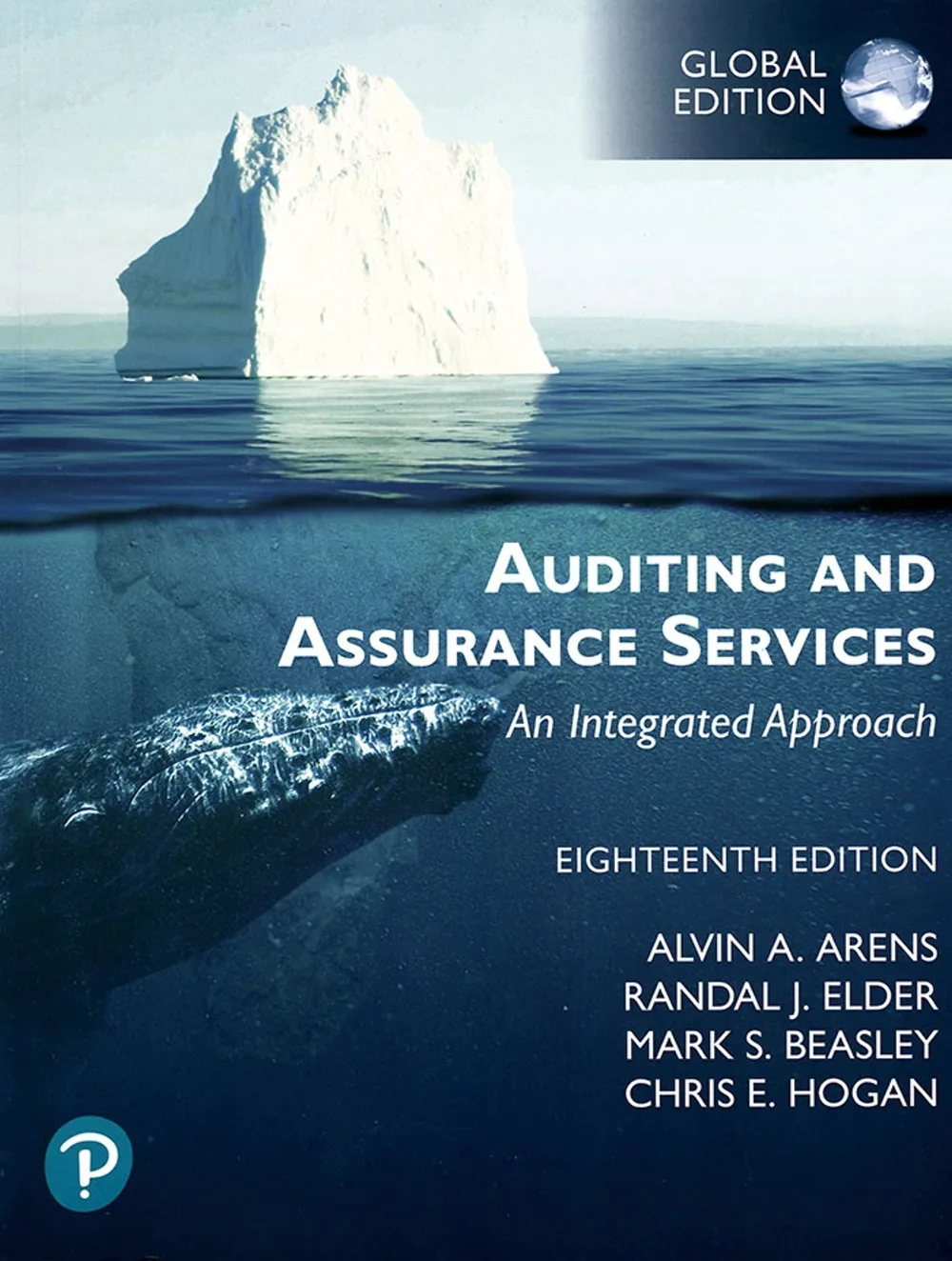
Auditing and Assurance Services: An Integrated Approach, the definitive introductory text on auditing, focuses on the auditor’s decision-making process—whether during a financial statement audit or during an integrated audit of both financial statements and internal control over financial reporting. Comprehensive and up to date, the text uses examples from the complex, current global auditing environment, such as the United Kingdom’s Financial Reporting Council highlighting a lack of skepticism as a major concern; the challenges of auditing crypto-assets; and the debate over climate-related risk assessment, to illustrate the nature and amount of evidence gathering needed at each engagement. Using key audit decisions—like establishing the objectives in a given audit area; identifying the risks related to the engagement; determining the evidence needed; and evaluating the evidence obtained—as its foundation, this text equips students with the skills to successfully conduct an audit according to internationally recognized financial reporting frameworks. The 18th Edition, Global Edition, contains the latest standards and codes as well as new data analysis and sample CPA-style questions to help you prepare for the actual exam.
</div><div class="type02_gradient" style="display:none;"></div>
</div></div><div class="mod_b type02_m057 clearfix">
<a name="AuthorP00a400020009"> </a>
目 錄
<div class="bd">
<div class="content more_off" id="M201105_0_getProdTextInfo_P00a400020009_h2">
<strong>PART I: THE AUDITING PROFESSION</strong><br>
Ch 1 The Demand for Audit and Other Assurance Services<br>
Ch 2 The CPA Profession<br>
Ch 3 Audit Reports<br>
Ch 4 Professional Ethics<br>
Ch 5 Legal Liability<br>
<br>
<strong>PART II: THE AUDIT PROCESS</strong><br>
Ch 6 Audit Responsibilities and Objectives<br>
Ch 7 Audit Evidence<br>
Ch 8 Audit Planning and Materiality<br>
Ch 9 Assessing the Risk of Material Misstatement<br>
Ch10 Assessing and Responding to Fraud Risks<br>
Ch11 Internal Control and Coso Framework<br>
Ch12 Assessing Control Risk and Reporting on Internal Controls<br>
Ch13 Overall Audit Strategy and Audit Program<br>
<br>
<strong>PART III: APPLICATION OF THE AUDIT PROCESS TO THE SALES AND COLLECTION CYCLE</strong><br>
Ch14 Audit of the Sales and Collection Cycle: Tests of Controls and Substantive Tests of Transactions<br>
Ch15 Audit Sampling for Tests of Controls and Substantive Tests of Transactions<br>
Ch16 Completing the Tests in the Sales and Collection Cycle: Accounts Receivable<br>
Ch17 Audit Sampling for Tests of Details of Balances<br>
<br>
<strong>PART IV: APPLICATION OF THE AUDIT PROCESS TO OTHER CYCLES</strong><br>
Ch18 Audit of the Acquisition and Payment Cycle: Tests of Controls, Substantive Tests of Transactions, and Accounts Payable<br>
Ch19 Completing the Tests in the Acquisition and Payment Cycle: Verification of Selected Accounts<br>
Ch20 Audit of the Payroll and Personnel Cycle<br>
Ch21 Audit of the Inventory and Warehousing Cycle<br>
Ch22 Audit of the Capital Acquisition and Repayment Cycle<br>
Ch23 Audit of Cash and Financial Instruments<br>
<br>
<strong>PART V: COMPLETING THE AUDIT</strong><br>
Ch24 Completing the Audit<br>
<br>
<strong>PART VI: OTHER ASSURANCE AND NONASSURANCE SERVICES</strong><br>
Ch25 Other Assurance Services<br>
Ch26 Internal and Governmental Financial Auditing and Operational Auditing
</div>