<div class="bd">
<div class="content more_off" id="M201105_0_getProdTextInfo_P00a400020009_h2">
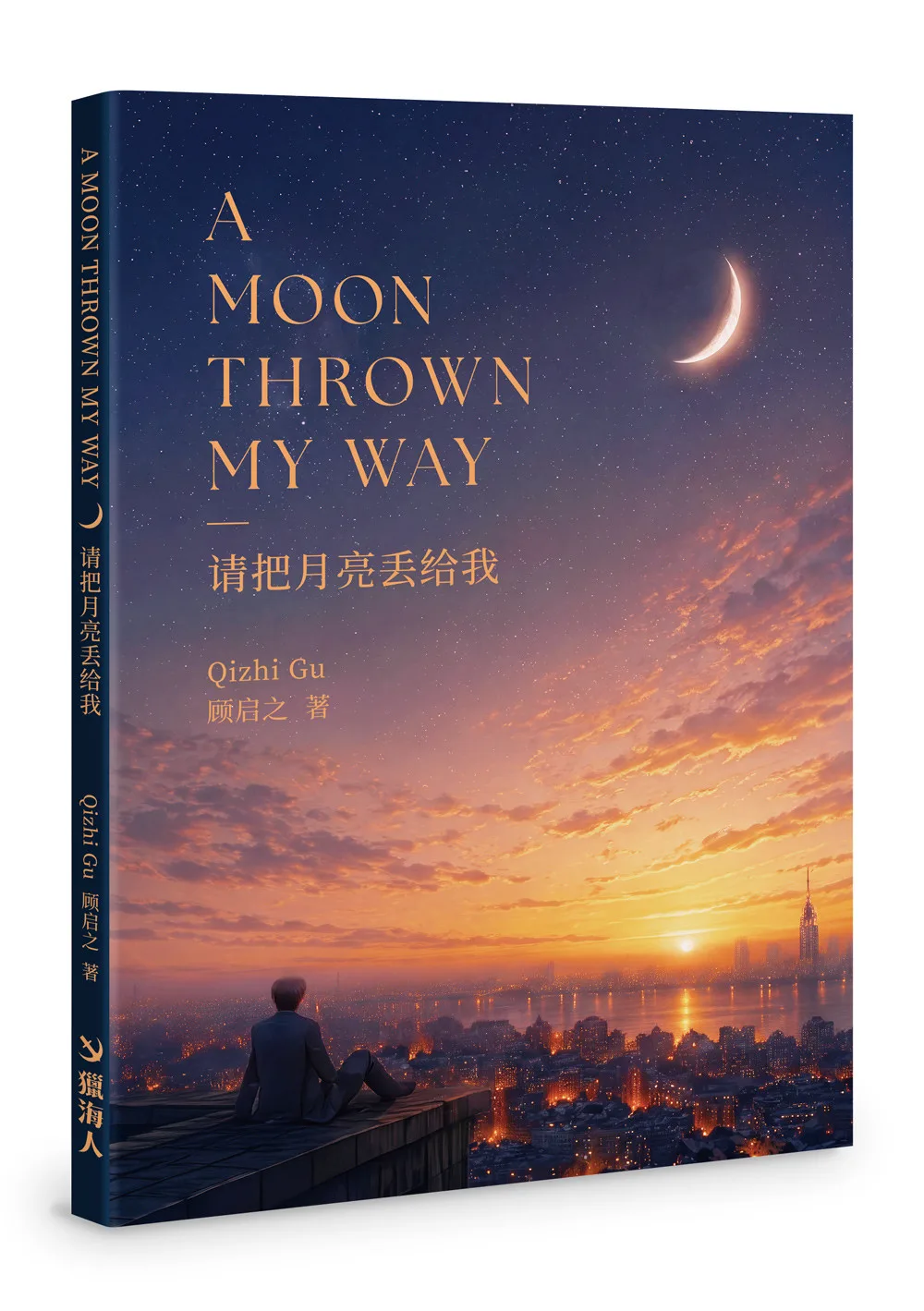
Dedication|??<br />
Acknowledgements|致?<br />
Epigraph|??<br />
Preface•On Poetry<br />
序|我和?<br /><br />
Book I•The Solitary Steed 第一部|?行的??<br />
Prelude•The Solitary Steed<br />
引|?行的??<br />
Frostbound<br />
霜天行<br />
?跋|霜天行<br />
Cold Autumn—Poetic Note<br />
寒秋<br />
Still Unsettled<br />
白?行<br />
?跋|白?行<br /><br />
Book II•Under Dim Light 第二部|微光之下<br />
Prelude•Under Dim Light<br />
引|微光之下<br />
Stonegate, York<br />
?安夜思<br />
?跋|?安夜思<br />
There, Still Awake<br />
夜未央<br />
?跋|夜未央<br /><br />
Book III•The North Sea 第三部|北海的海<br />
Prelude•The North Sea<br />
引|北海的海<br />
Sea Within North Sea<br />
江月??<br />
?跋|江月??<br />
Unnamed<br />
相思虞<br />
?跋|相思虞<br /><br />
Book IV•The River of Longing 第四部|思念之河<br />
Prelude•The River of Longing<br />
引|思念之河<br />
Benchside<br />
清明祭?丘<br />
?跋|清明祭?丘<br />
The Light Left On<br />
?入?山思?<br />
?跋|?入?山思?<br /><br />
Book V•The Weight of Life 第五部|人生的重量<br />
Prelude•The Weight of Life<br />
引|人生的重量<br />
?月寒山寺<br />
?跋|?月寒山寺<br />
Author’s Note|?月寒山寺<br />
醉月<br />
?跋|醉月<br />
Author’s Note|醉月<br />
年少?途<br />
?跋|年少?途<br />
Author’s Note|年少?途<br />
水?歌?•??<br />
Reading Note<br />
??天•家??二首<br />
Reading Note<br />
Between Falling and Standing<br />
浮沉志<br />
《浮沉志》<br /><br />
Appendix• 附?<br />
Afterword I•On Nearness<br />
后?一|靠近<br />
Afterword II•On Cost<br />
后?二|代价<br />
Afterword Ⅲ•Poetic Statement<br />
后?三|???明<br /><br />
Notes on the Poems |?作??<br />
On the Conditions<br />
Frostbound<br />
Still Unsettled<br />
Stonegate, York<br />
There, Still Awake<br />
Sea Within North Sea<br />
Unnamed<br />
Benchside<br />
The Light Left On<br />
Notes on Writing<br />
Where these poems come from<br />
?作? ?些??自哪里<br />
Author’s Note<br />
作者小?<br />
END<br />
尾?<br />
全?中文?注?
</div>
序
<div class="bd">
<div class="content more_off" id="M201105_0_getProdTextInfo_P00a400020009_h3">
▌Preface•On Poetry<br />
The relation between myself and poetry did not begin with inspiration, nor with impulse.<br />
It began with a division—between the self that moves within life and the self that remains within the poem.<br />
The self in life bears weight.<br />
Work, responsibility, decision, loss—each continues forward, without pause.<br />
They are not romantic. They are real.<br />
One stands within them, makes judgment, accepts consequence.<br />
There is little room for hesitation, and less for emotion.<br />
The self in poetry holds something else.<br />
What cannot be fully placed does not disappear.<br />
It settles, and in moments not interrupted, returns—quietly, without claim.<br />
For a long time, it was unclear what poetry could do.<br />
It does not resolve difficulty, nor does it alter reality.<br />
Writing does not make life easier.<br />
It often begins after the day has ended—within hours that serve no further use.<br />
A light remains. The desk is still.<br />
What has not been carried away is allowed to stay.<br />
Writing is a process of reduction.<br />
A line is written, then removed.<br />
An image appears, yet does not settle.<br />
What remains must be able to bear what it holds.<br />
It was also through this process that I began to see:<br />
the same experience may take different forms in different languages.<br />
Frostbound and《霜天行》arise from the same underlying experience.<br />
In English, the poem stays close to the body and its surroundings—wind, cold, direction, continuation.<br />
In Chinese, it turns toward rhythm and structure, drawing inward.<br />
They do not explain one another, yet each remains complete.<br />
The same holds for Stonegate, York and《?安夜思》.<br />
One unfolds in the fog and bells of an unfamiliar place;<br />
the other settles in a city at night, among light and shadow.<br />
A similar condition:<br />
one stands within a place, yet does not fully enter.<br />
They begin from the same point, yet move in different directions.<br />
Such differences do not require resolution.<br />
They only indicate that experience does not belong to a single form.<br />
Writing is not easy.<br />
It requires time, and it takes something away.<br />
Yet this has never been what matters.<br />
What matters more is whether, within the forward movement of life, there remains a place where what cannot be carried may still remain.<br />
At times, something becomes briefly clear.<br />
Not an answer—only that direction may still be seen.<br />
Such moments are brief, yet sufficient.<br />
Over time, one comes to understand:<br />
poetry is not outcome, but process;<br />
not identity, but a continued choice.<br />
It does not lead to arrival.<br />
It allows, within movement, the possibility of seeing where one is going.<br /><br />
▌序|我和?<br />
我与?的?系,并非始于?感,也并非源于??。<br />
更准确地?,它始于一种分裂─??中的我,和?中的我。<br />
??的我,需要承?生活的重量。<br />
工作、?任、??、失去,一切不?向前推?。它?不浪漫,?真?存在。我必?在其中站??跟,做出判?,承受?果。?多?候,?有?疑的空?,也不?情??留位置。<br />
而?中的我,承??另一部分。<br />
那些?法被??安放的感受与念?,并不?消失,它?只是沉下去,在某些不被打?的?刻,再次浮?。<br />
很?一段??里,并不确信?能做什么。<br />
它不能解???,也不?改???。?作并不??生活?得更容易。它往往?生在一天?束之后,在那些已??有其他用途的??里。??亮?,桌面安?,一些尚未被?走的部分,才得以停留。<br />
?作更像是一种?法。<br />
不是不?增加,而是不?拿掉。一?句子?下,又被?去;一?意象出?,??法落?。留下的,必?能?承受它所包含的部分。<br />
也正是在??的?程中,我逐?意?到─<br />
同一??,可以在不同?言中,呈?出不同的??。<br />
Frostbound与《霜天行》,源自同一份感受。<br />
在英文中,它更接近身体与?境的直接感受─?、寒、方向与持?;而在中文中,它?向?奏与?构,成?一种向?收束的表?。它?不互相解?,?彼此成立。<br />
Stonegate, York与《?安夜思》也是如此。<br />
一?在异地清晨的?与??中展?,一?在都市夜色与?影之?沉下。所面?的,是相似的??─人在?境之中,??以完全?入。它??自同一?,但走向不同。<br />
?种差异,并不需要被?一。<br />
它?只是?明:??本身,并不只有一种呈?方式。<br />
?作并不?松。<br />
它需要??,也???消耗。但?些??不是?定性的部分。<br />
更重要的是─<br />
在不?推?的生活之中,是否仍保留??一?位置,?那些?法被?走的?西,可以停留下?。<br />
偶有片刻,?出?一些清晰的?刻。<br />
并非答案,只是方向???得可辨。那?的瞬?很短,?足以?人??走下去。<br />
?作至今,我逐?明白:<br />
?不是?果,而是?程;不是身份,而是一种持?的??。<br />
它不???抵?。<br />
它只是?我在前行之中,仍能看?方向。<br />
</div>