<div class="bd">
<div class="content" style="height:auto;">
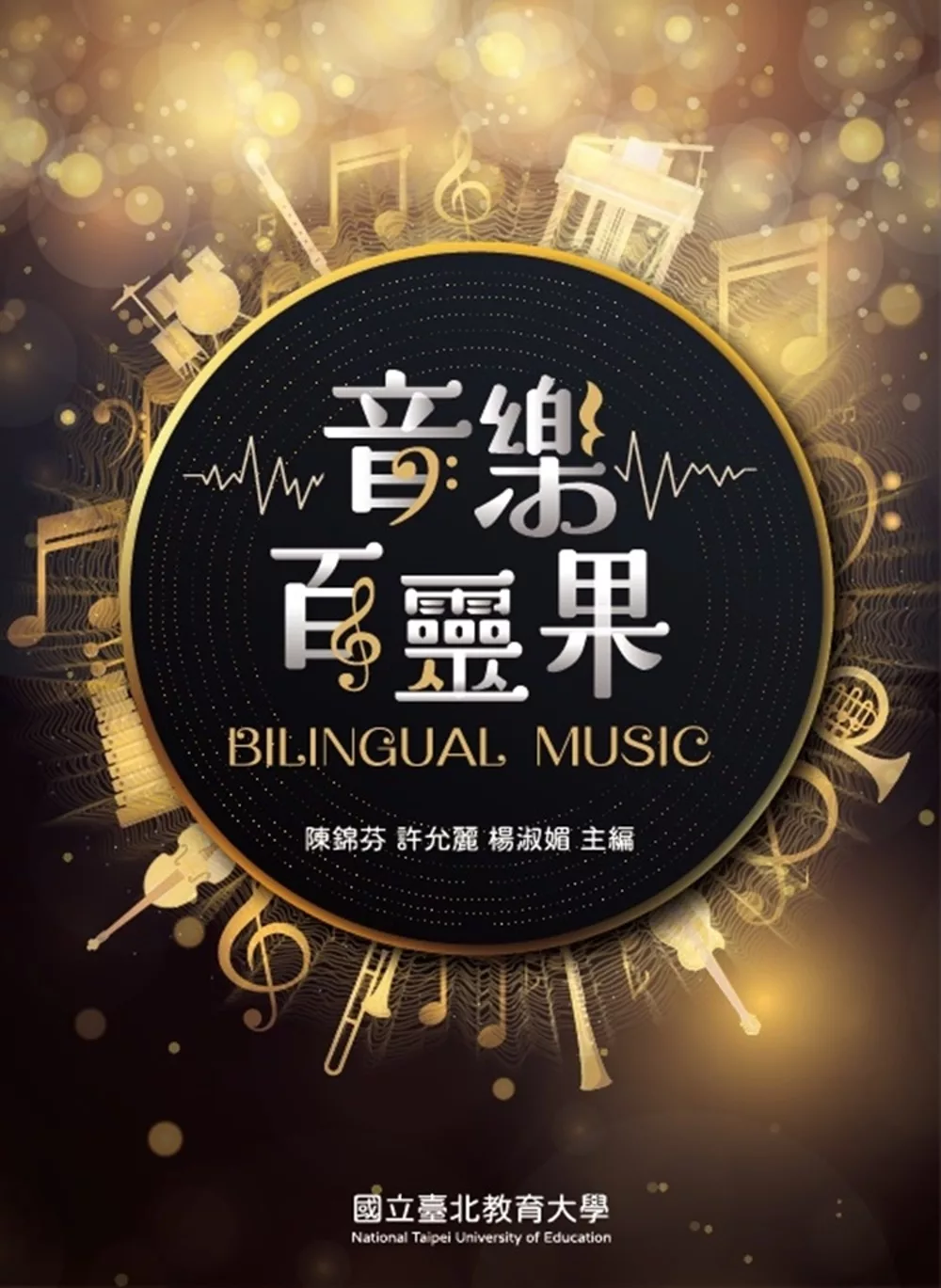
<div> 《音樂百靈果》提供雙語教學所需的教材與教法,涵蓋符合國內108課綱素養的教學理念,以及國中小課程中必須掌握的音樂教學理論、音樂技能、樂理知識與多元音樂的鑑賞能力。</div>
<div>?</div>
<div> 本書共十四章,第一章聚焦雙語音樂教學的基礎,強調如何讓學生穩固掌握音樂知識與技能,並進一步提升其音樂創作能力與跨文化音樂作品的鑑賞與分析能力,及介紹音樂發展史與各大音樂流派。第二章彙整雙語音樂教學中常用的專業學科英語詞彙與課堂用語,涵蓋國中小音樂教學的常見樂器名稱、樂理符號、各單元的專業詞彙,以及教學活動中的互動用語、句型和課堂管理用語,協助教師在課堂中靈活運用英語進行教學。</div>
<div>?</div>
<div> 第三章至第十四章則逐一深入探討針對教育部音樂教育教學課綱的內涵和教學主題,包括音樂理論、聽覺訓練、樂器演奏技巧、作曲與即興創作、鑑賞與比較不同音樂風格、流派、文化和學生的表現、反饋與自我評估的方式。</div>
<div>?</div>
<div> 最後,每個主題均提供符合素養導向的雙語教學教案,契合素養導向的教學需求。</div>
<div>?</div>
<div> 英文內容大要:</div>
<div> " Bilingual Mussic " provides teaching materials and methodologies required for bilingual education, aligning with the core competencies outlined in Taiwans 108 Curriculum Guidelines. It encompasses essential music teaching theories, skills, music theory knowledge, and the ability to appreciate diverse musical forms, as covered in primary and secondary school curriculums.</div>
<div>This book is divided into 14 chapters:</div>
<div>Chapter 1 focuses on the fundamentals of bilingual music education, emphasizing strategies for helping students solidify their grasp of musical knowledge and skills. It also highlights the development of creative abilities, cross-cultural music appreciation and analysis, and introduces the history of music and major musical genres.</div>
<div>Chapter 2 compiles commonly used subject-specific English vocabulary and classroom expressions for bilingual music teaching. It includes names of frequently taught instruments, music theory symbols, specialized terms for various topics, and practical phrases, sentences, and classroom management language to support teachers in using English effectively during lessons.</div>
<div>Chapters 3 to 14 delve into the content and instructional themes outlined in the Ministry of Education’s music education curriculum. Topics include music theory, aural training, instrumental performance techniques, composition and improvisation, appreciation and comparison of different musical styles, genres, and cultures, as well as strategies for student performance feedback and self-assessment.</div>
<div>Each chapter concludes with bilingual lesson plans tailored to competency-based instruction, meeting the needs of modern teaching approaches.</div>
</div><div class="type02_gradient" style="display:none;"></div>
</div></div><div class="mod_b type02_m057 clearfix">
<a name="AuthorP00a400020009"> </a>
目 錄
<div class="bd">
<div class="content more_off" id="M201105_0_getProdTextInfo_P00a400020009_h2">
<strong>第一章</strong><br>
雙語音樂教學理論與實務<br>
Theories, Development, and Implementaion of Bilingual Music Education<br>
<br>
<strong>第二章</strong><br>
雙語音樂教學之學科用語和課室英語<br>
Subject Key Words and Classroom English Applied in Bilingual Music Instruction<br>
<br>
<strong>第三章</strong><br>
戲劇化律動-奇妙的種子<br>
Amazing Seeds<br>
<br>
<strong>第四章</strong><br>
歡樂頌<br>
Ode to Joy<br>
<br>
<strong>第五章</strong><br>
舞動的三拍子-感受、創作與表現<br>
The Rhythms of Triple Music: Feeling, Creating, and Expressing<br>
<br>
<strong>第六章</strong><br>
加油!<br>
Cheers!<br>
<br>
<strong>第七章</strong><br>
大自然的音樂家<br>
Natures musican<br>
第八章<br>
樂器四家族<br>
Four Families of Musical Instruments<br>
<br>
<strong>第九章</strong><br>
甜美的家庭<br>
Home, Sweet home<br>
<br>
<strong>第十章</strong><br>
點線秀音樂<br>
Dots and Lines, Music show!<br>
<br>
<strong>第十一章</strong><br>
身體打擊樂<br>
Let’s play body percussion!<br>
<br>
<strong>第十二章</strong><br>
彼得與狼<br>
Peter and the Wolf<br>
<br>
<strong>第十三章</strong><br>
跟著五聲音階去旅行<br>
Traveling with the Pentatonic Scale<br>
<br>
<strong>第十四章</strong><br>
變奏曲Theme and the Variations<br>
</div>