- 定價127.00元
-
8
折優惠:HK$101.6

|
|
|
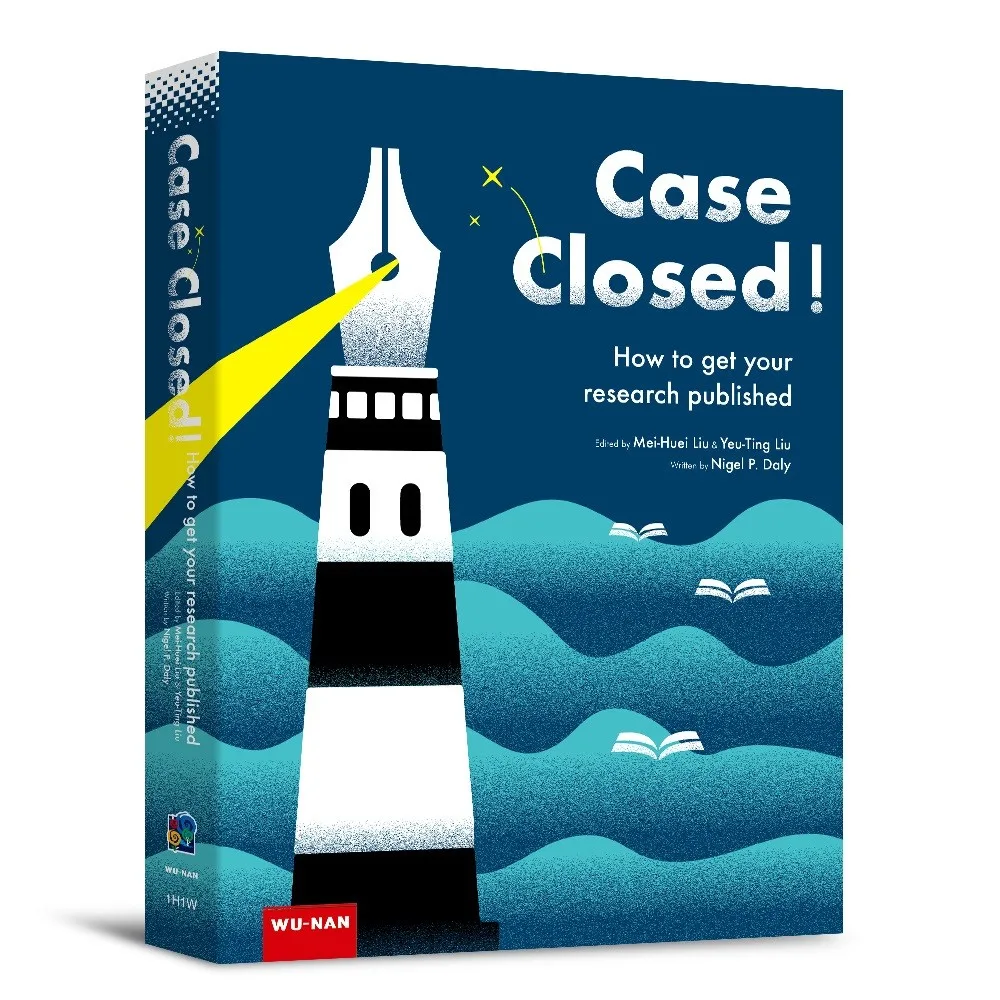
Case Closed! How to get your research published 
|
|
沒有庫存
訂購需時10-14天
|
|
|
|

|
|
9786264422581 | |
|

|
|
Nigel P. Daly | |
|

|
|
五南 | |
|

|
|
2026年9月25日
| |
|

|
|
217.00 元
| |
|

|
|
HK$ 206.15
|
|
|
|
|

| |
|
|
|
|
| |
|
|
詳
細
資
料
|
ISBN:9786264422581規格:平裝 / 456頁 / 20k / 23 x 17 x 2.28 cm / 普通級 / 單色印刷 / 初版出版地:台灣
|
|
分
類
|
專業/教科書/政府出版品 > 論文寫作 |
同
類
書
推
薦
|
|
|
內
容
簡
介
|
Turn doubt into confidence, and drafts into publications.
Publishing in top journals once felt like stepping into a courtroom for me-intimidating, unfamiliar, and high-stakes. In this book, I share the strategies, tools, and mindset that helped me turn manuscripts into winning cases.
You’ll learn how to structure your argument, present evidence convincingly, and handle tough reviewer feedback with confidence. I also show you how to use Al wisely and bring your research beyond journals to reach wider audiences. Think of me as your co-counsel, guiding you toward publishing success.
|
|
目
錄
|
Preface ??Helping you close your case and get published
Introduction ??Taking Your Research to Court
INTRODUCTION
SECTION 1. The Research Publishing Challenge…And Why It Feels Like a Courtroom
SECTION 2. The Structure and Logic of a Strong Research Argument
SECTION 3. Partnering with AI: A New Era of Research Writing
What’s Ahead in This Book
CONCLUSION—Think like a Lawyer, Structure like a Scientist
PARTI ?? Preparing Your Case, or How to Make Your Research Ready for Publication?
Chapter 1 ??From Moot Court to Supreme Court: Conference Papers vs Journal Articles
INTRODUCTION
SECTION 1. Reasons to Publish … and Your First Steps
SECTION 2. The Real Differences Between Conference Papers and Journal Articles
SECTION 3. Four Steps to Journal Readiness
CONCLUSION—Start Small, Argue Big Later
Chapter 2 ??Understanding Your Judges: How Editors and Reviewers Evaluate Your Argument
INTRODUCTION
SECTION 1. Why Peer Review Exists and How It Works
SECTION 2. Learning from Reviewers and Using Feedback to Improve
SECTION 3. Why Papers Get Rejected… and How to Avoid It
CONCLUSION—Know the Judges, Win the Verdict
Chapter 3 ??Setting Up Your Case: Building Solid Foundations (Introduction & Methods)
INTRODUCTION
SECTION 1. The Research Argument SETUP and Why It Matters
SECTION 2. The Lit Review: The Research Argument CONTEXT
SECTION 3. Justifying the Methods:the Research Argument SETUP
CONCLUSION—Building the Foundations for Your Winning Argument
Chapter4 ??Defending Your Case: Presenting Strong Evidence and Closing Arguments (Results & Discussion)
INTRODUCTION
SECTION 1. Presenting Your EVIDENCE: Writing the Results Section
SECTION 2. Making Your Case (INTERPRETATION):Writing the Discussion Section
SECTION 3. Connecting, Claiming, and Concluding
CONCLUSION— Seal the Verdict with Clear EVIDENCE and a Persuasive INTERPRETATION
Chapter 5 ??Which Court Is Best for My Case? Choosing the Right Journal
INTRODUCTION
SECTION 1. Choosing the Right Court
SECTION 2. Four Key Factors to Evaluate a Journal
SECTION 3. Strategic Publishing for Career Goals +Common Pitfalls
CONCLUSION—The Right Court Can Make—or Break—Your Case
Chapter 6 ??Courtroom Rules: Publishing Ethics
INTRODUCTION
SECTION 1. Authorship Ethics: Giving Credit Where It’s Due
SECTION 2. Responsible Writing and Publication:Being Honest with the Work
SECTION 3. Simple Habits for Ethical Writing
CONCLUSION—Credibility is Your License to Practice
PARTII ?? Defending Your Case, or How to Survive the Peer Review?
Chapter 7 ??After the Cross-Examination: Responding to Reviewer Feedback I
INTRODUCTION
SECTION 1. Interpreting Reviewer Feedback: Reading the Cross-Examination
SECTION 2 Crafting a Persuasive Response Letter: Your Courtroom Rebuttal
SECTION 3. Revising with Strategy and Resilience: Strengthening Your Case
CONCLUSION—Turn Cross-examination into Your Winning Moment
Chapter 8 ??When the Jury Gives Mixed Verdicts: Responding to Reviewer Feedback II
INTRODUCTION
SECTION 1. What If the Reviewers Disagree on the Verdict?
SECTION 2. Responding to Conflicting Feedback
SECTION 3. Crafting a Persuasive Response Letter: Speaking to the Judge
CONCLUSION— Find the Common Ground …and Keep the Court on Your Side
PARTIII ??Promoting Your Courtroom Victory, or How to Boost Your Research’s Impact?
Chapter 9 ??Establishing Legal Precedent: How to Ensure Your Research Is Seen and Cited
INTRODUCTION
SECTION 1. Writing for the Record: Understanding the Power of Search Engine Optimization (SEO)
SECTION 2. Techniques for Positioning Your Argument to Invite Citation and Scholarly Uptake
SECTION 3. Tools for Tracking and Understanding Your Research’s Academic Impact
CONCLUSION—Make Your Case Part of the Legal Record
Chapter10 ??Turning Your Verdict Into Action: Driving Change Beyond the Courtroom to Make Your Research Matter
INTRODUCTION
SECTION 1. Science Communication: Why “Writing in Public” Matters
SECTION 2. Building Your Public Profile Strategically
SECTION 3. Engaging Policymakers, Practitioners,and the Public for Real-World Impact
CONCLUSION—From Publication to Public Impact
Parts of A Journal Article
Glossary?
|
|
序
|
Helping you close your case and get published
Publishing in an international journal can feel a lot like walking into a courtroom for the first time. The room is formal, the process unfamiliar, and the people across the table who look so serious are editors and reviewers. And they hold the power to decide your case. They’re judge, jury … and sometimes executioner. Ok, that may be a bit dramatic, but it’s not far from the truth
Here, your manuscript is your argument. It needs a clear story, solid evidence, and a conclusion that convinces even the most skeptical of readers.
Many new researchers find themselves completely unprepared for this trial. Your conference papers may have earned polite nods in this “practice court” setting, but journals are the “supreme court” of academia. Your argument must be fully developed, every “So what?” answered, and every claim backed by credible evidence.
It’s not enough to have good research. You must present it with clarity, structure, and persuasive language. And in today’s publishing world, your case doesn’t end with the judge’s verdict; to make a lasting impact, you must also take it beyond the courtroom into public view.
This book is designed to make that whole process easier for you to navigate.
That’s why we use the analogy of a courtroom case to help you understand what might be unfamiliar. We use the structure of a legal case as a guide to help you plan, write, and refine your research argument. You’ll find practical advice, language and communication strategies, AI tools that can act as your research assistant, and exercises to reinforce your publishing skills. You will also learn ways to bring your research to life in traditional media like newspapers and magazines and alternative media like social media, so it reaches audiences outside your immediate field. Think of us as your cocounsel to help you prepare, present, and promote your work with clarity and confidence.
What’s inside?
Part I: Preparing Your Case, or How to make Your Research Ready for Publication?
• Chapter 1: From Moot Court to Supreme Court: Conference Papers vs. Journal Articles
• Chapter 2: Understanding Your Judges: How Editors and Reviewers Evaluate Your Argument
• Chapter 3: Setting Up Your Case: Building Solid Foundations (Introduction & Methods)
• Chapter 4: Defending Your Case: Presenting Strong Evidence and Closing Arguments (Results & Discussion)
• Chapter 5: Which Court Is Best for My Case? Choosing the Right Journal
• Chapter 6: Courtroom Rules: Publishing Ethics
Part II: Defending Your Case, or How to Survive the Peer Review?
• Chapter 7: After the Cross-Examination: Responding to Reviewer Feedback I
• Chapter 8: When the Jury Gives Mixed Verdicts: Responding to Reviewer Feedback II
Part III: Promoting Your Courtroom Victory, or How to Boost Your Research’s Impact?
• Chapter 9: Establishing Legal Precedent: How to Ensure Your Research Is Seen and Cited
• Chapter 10: Turning Your Verdict Into Action: Driving Change Beyond the Courtroom to Make Your Research Matter
Why this book is different
We focus not only on what to write but also on how to communicate it. Why? Because strong research can still fail if the language and structure don’t persuade. You’ll learn how to shape your research argument like a legal case: clear CONTEXT, solid SETUP, convincing EVIDENCE, and persuasive INTERPRETATION. We’ve kept the language as accessible as possible for EFL researchers, and each chapter includes:
• Visual icons to help you quickly find Strategies, Tips, Remember advice, and Watch out! warnings.
• Examples across fields so you can see how arguments work in both the sciences and the social sciences.
• AI tips for integrating tools into your workflow without losing control of either your argument … or human autonomy.
• Exercises for learning and reinforcement.
Guidance on publishing beyond academia, from writing op-eds, social media articles, and policy briefs to pitching your work to podcasts or online platforms.
A closing statement
As your co-counsel in this courtroom drama, we can’t guarantee you’ll win every case and publish every paper. The judges can be tough, the rules demanding, and the process slow. But we can promise to help you prepare your strongest case, sharpen your arguments, and walk into court with the confidence of someone who knows both the law and the language of academic publishing.
We’ll guide you through the struggles and pressures with practical strategies, the right expectations, and a dash of AI assistance to keep both the brainwork and paperwork moving. Think of us as the colleagues who stand beside you at the table, quietly sliding over the missing exhibit, reminding you of your best points, and making sure you leave the courtroom with your head high—whether today’s verdict is “accepted” or “revise and resubmit.”?
|
|
|
書
評
|
|
|
|
|