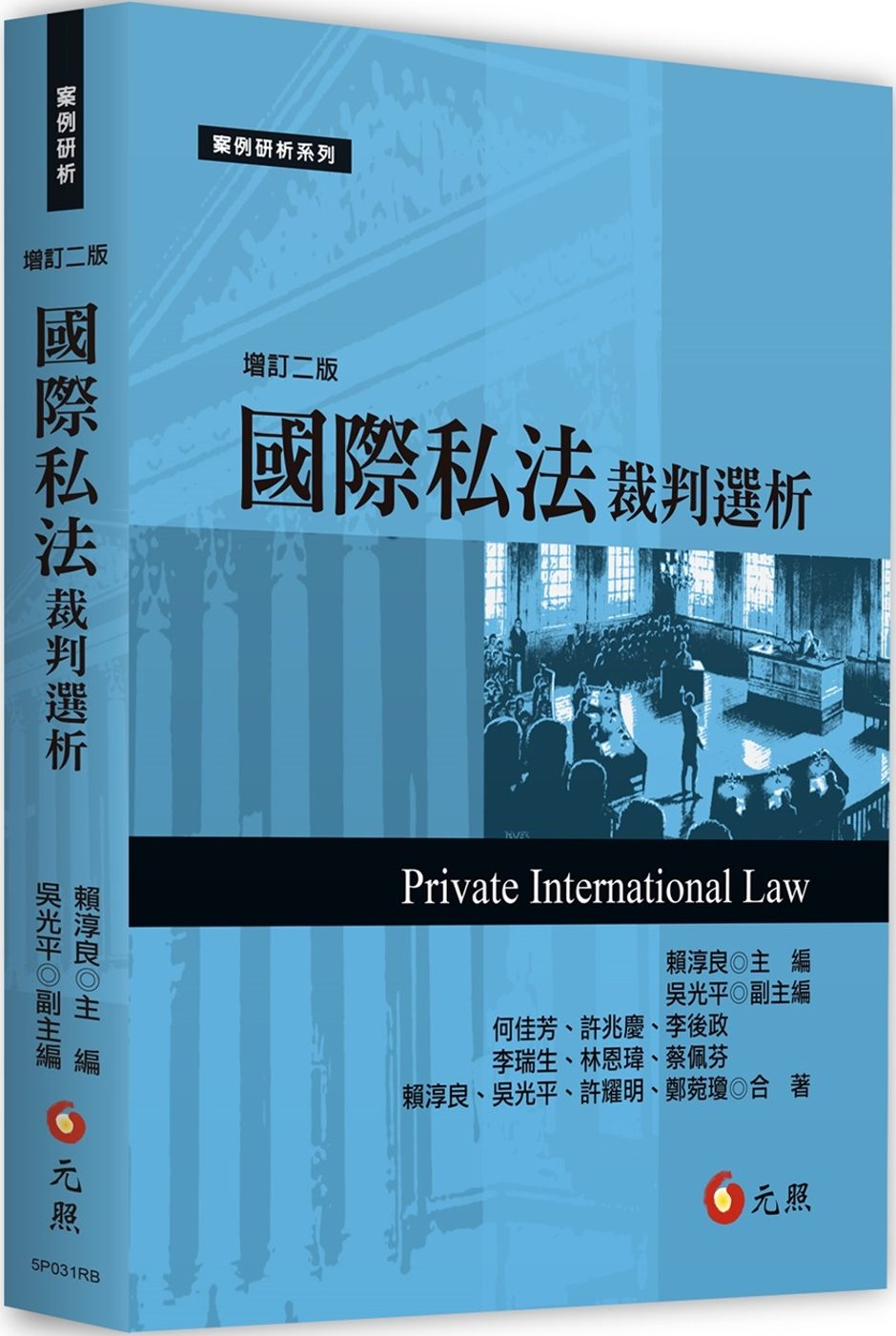
美國國際私法選法理論無疑的為上個世紀法學界中最引起爭議的學科之一。雖然時至今日,歐洲各國及國際公約皆不約而同的認同美國於選法理論上的“revolution”,並且採納第二新編的「最重要關連說」,但在國際私法選法理論的麥加──美國本土並不認為“revolution is over”。甚多人認為對於本著既得權或territorialism而來的機械式法規所引起的革命,“the war is won, but the battle continues”。本書對於美國選法革命的各種不同重要理論皆有紮實敘述及介紹,對台灣有志於研究國私的學生的重要性不言而喻。此外,本書對於大英帝國協及歐陸國家的新侵權行為選法規則亦有介紹。
猶記得個人近三十年前於政經學院提出此方面的博士論文題目時,指導教授Hartley驚訝的說:“You are a very ambitious man!”雖然美國“new methodologies”已經變成 “old methodologies”,新世代的爭議雖然與三十年前的爭議不盡相同,但其爭議激烈的程度與幅度並不下於三十年前,只是於期刊上個人於外國所熟悉、接觸的人物換了一批陌生的名字。雖然近十年來拜電腦科技之賜,國內研究環境大有提昇,但整體研究環境仍甚為惡劣。故而看完此書,以同樣的心情,個人認為兆慶兄is a very ambitious man。
A criticism made of the Restatement Second by a number of writers is that it does not give proper emphasis to what, in their opinion, is the only—or at least the principal—value in choice of law. This is that the court should look to the policies underlying the potentially applicable local law rules of the state having contacts with the case. If these writers are correct, the Restatement second is plainly wrong. It takes the position that this value, although important, does not stand alone and that there are other values to be considered. This insistence that there are a number of relevant values is a primary reason for what can be justly termed the vagueness of some of the Restatement Second formulations. In defense, it can be said that a balancing of values inevitably will be an uncertain process until it is finally determined which of these values should carry the greatest weight in a given situation. In many instances, such a time has not yet come. (34 Mercer L. Rev. 518 1982-1983)
綜合故Reese教授的答覆,其除了將個人早期的“prevailing value”與“interest analysis”混淆外,最主要的是他認為“such a time has not yet come”。「實體法論」的時代是否來臨,或許不應該由賣瓜的個人來決定,而應由兆慶兄及其他同樣ambitious的年輕學者來決定。